

Selling in The Cays starts well before the listing goes live. A focused plan for decluttering, presentation, repairs, and pricing can make it easier for buyers to understand the value of your property from their first online impression through an in-person visit. Use this checklist to prepare thoughtfully, avoid rushed decisions, and bring your home to market with confidence.
Begin With a Clear, Practical Seller Plan
Preparing a property for sale can feel like a long list of decisions, but the best results usually come from working in a deliberate order. Start by looking at the home as a buyer will: from the approach, through the entry, and into each main living space. The goal is not to erase personality or make the home feel generic. It is to help each room communicate its size, purpose, condition, and potential without visual distractions competing for attention.

Start with a room-by-room walk-through. Bring a notepad and write down anything that interrupts a clean visual read: crowded counters, overfilled shelving, bulky furniture, loose cords, worn light bulbs, or unfinished small repairs. Separate the list into three categories: items to remove, items to repair, and items that may benefit from a professional opinion. This makes the project more manageable and helps prevent low-impact tasks from taking attention away from priorities.
Next, consider the exterior as its own showing space. Trim landscaping, clear the entry path, clean exterior fixtures, and make sure address numbers, door hardware, and outdoor lighting are in good working order. A polished approach signals care before anyone steps inside. In a coastal setting, it is also wise to inspect outdoor surfaces, screens, railings, drainage areas, and visible hardware for signs of weather exposure that may deserve attention.
The strongest preparation choices are often simple: clearer surfaces, brighter rooms, working fixtures, and an exterior that looks maintained from the first step onto the property.
Before making larger changes, ask whether they will improve the buyer experience or merely reflect personal taste. A fresh neutral paint touch-up, a repaired cabinet hinge, or updated worn caulking can have broad appeal. Highly customized renovations, however, do not always return their full cost. A pre-listing consultation can help identify the improvements most likely to support the home’s presentation and pricing strategy.
Declutter First, Then Stage With Intention
Decluttering is not simply packing things away. It is a way to give rooms visual breathing room. Buyers often make quick judgments from listing photos, and crowded spaces can make even a generous layout feel smaller or harder to understand. Begin with closets, storage cabinets, kitchen counters, bathroom vanities, and laundry areas. These are places buyers commonly inspect, so organized storage can reinforce the sense that the home has been cared for.
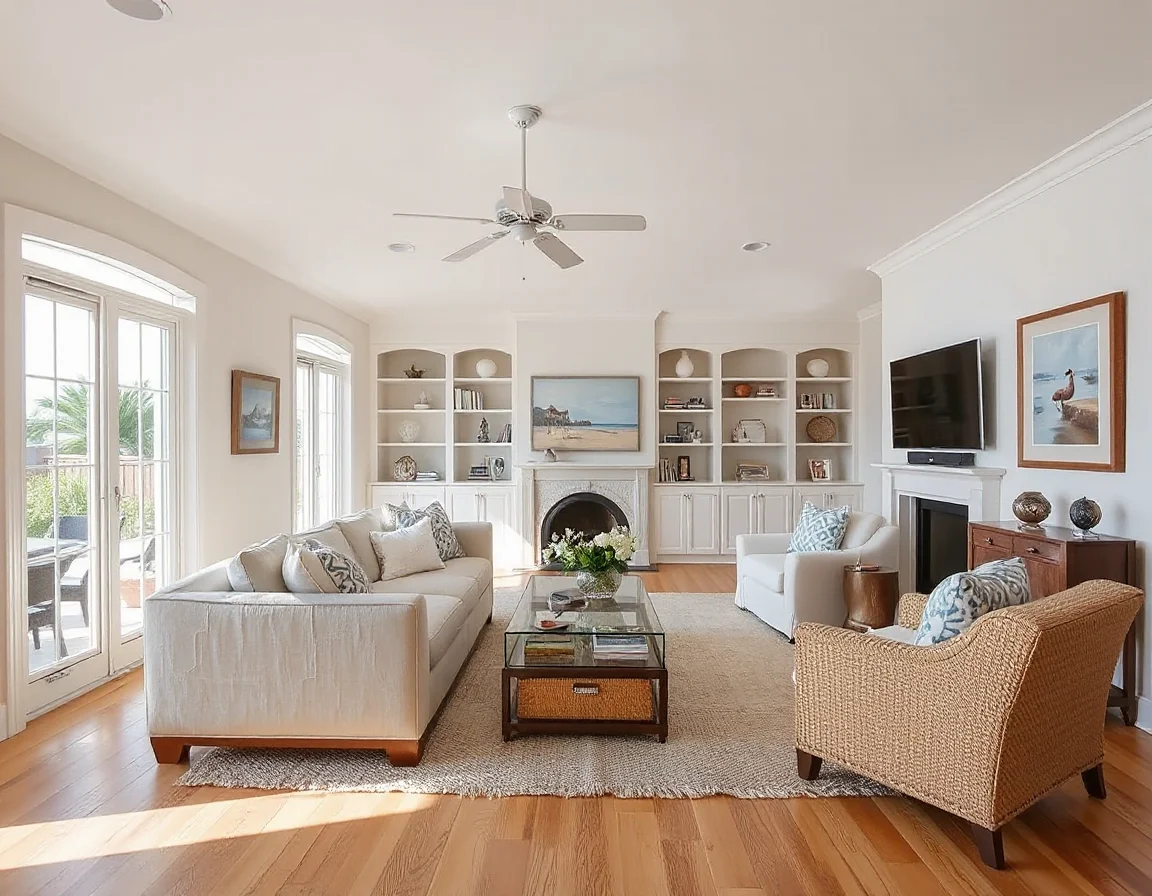
For visible rooms, remove excess furniture before adding anything new. Clear pathways help buyers move naturally through the home, while well-spaced seating helps reveal how a room functions. Keep a few meaningful design elements—such as a textured throw, fresh greenery, or coordinated pillows—but avoid filling every surface. The objective is a composed, welcoming setting that allows architectural details, natural light, water views, outdoor access, or ceiling height to stand out.
Staging should also be practical. Set dining areas simply, make beds with crisp linens, replace mismatched towels, and keep pet supplies, personal paperwork, medications, and valuables out of sight. In the kitchen, clear counters except for a small number of intentional accents. Bathrooms benefit from bright lighting, clean mirrors, and minimal accessories. These details do not need to be elaborate; consistency and cleanliness are more important than decoration.
Photography day deserves its own checklist. Turn on interior lights, open shades where appropriate, check that ceiling fans are still, and remove cars, bins, hoses, and pool equipment from prominent exterior views when possible. Confirm that the home is comfortable, clean, and ready before the photographer arrives. Strong images cannot replace a well-prepared property, but they can make the preparation visible to buyers who are deciding which homes to see in person.
Price From Evidence, Not Emotion
Pricing is where preparation and market knowledge come together. Your home may hold meaningful memories, substantial investment, and distinctive details, but the list price must also make sense in the context of current competition and recent comparable sales. Buyers will be evaluating location, condition, layout, updates, outdoor spaces, views, maintenance needs, and available alternatives—often within a short window of time.
A useful pricing review looks beyond the highest recent sale. Comparable properties should be weighed for their similarities and differences, including square footage, lot position, waterfront access where applicable, bedroom and bathroom count, renovation level, condition, and timing of sale. Active listings matter as well because they show what buyers can consider right now. Pending and withdrawn listings can add further context about current demand and how the market has responded to different price points.
It is also important to account for the cost of waiting. A price that is set above market expectations may reduce early attention, even if the property is later adjusted. The first days after a listing launches are often when interested buyers and real estate professionals are most likely to notice a new opportunity. A well-supported price, paired with strong presentation, gives the listing its best chance to create meaningful interest from the outset.
Keep the pricing conversation objective. Ask for the reasoning behind the recommended range, the properties used for comparison, and the adjustments made for meaningful differences. A thoughtful strategy should be easy to explain and flexible enough to respond to buyer feedback, showing activity, and new competing inventory after launch.
Prepare for Showings and Stay Ready
Once the home is listed, the work shifts from preparation to consistency. Build a simple showing routine so the property can be ready without last-minute stress: make beds, clear counters, secure personal items, open selected window coverings, and check that the temperature and lighting are comfortable. Keep a basket or container available for quick storage of everyday items before an appointment.
Feedback from showings can be useful when it is considered in patterns rather than isolated comments. One buyer may prefer a different finish or layout, but repeated observations about condition, price, lighting, or a particular room can reveal an opportunity to refine the presentation. Sellers who remain responsive to the market tend to make decisions from information rather than frustration.
Finally, organize documents that may be helpful during the transaction, such as records of major updates, permits where applicable, service receipts, association information, warranties, and utility details. Having these materials ready can make questions easier to answer and demonstrate a careful approach to ownership. Preparation does not guarantee a particular outcome, but it creates a more informed, efficient path from listing day to closing.
Explore current The Cays listings
A successful sale is rarely about one dramatic change. It is the cumulative effect of a clean first impression, well-defined spaces, honest condition, compelling photography, and a price grounded in current market evidence. By tackling the checklist in stages and focusing on what buyers can clearly see and compare, sellers in The Cays can move forward with a plan that feels organized, credible, and ready for the market.
