
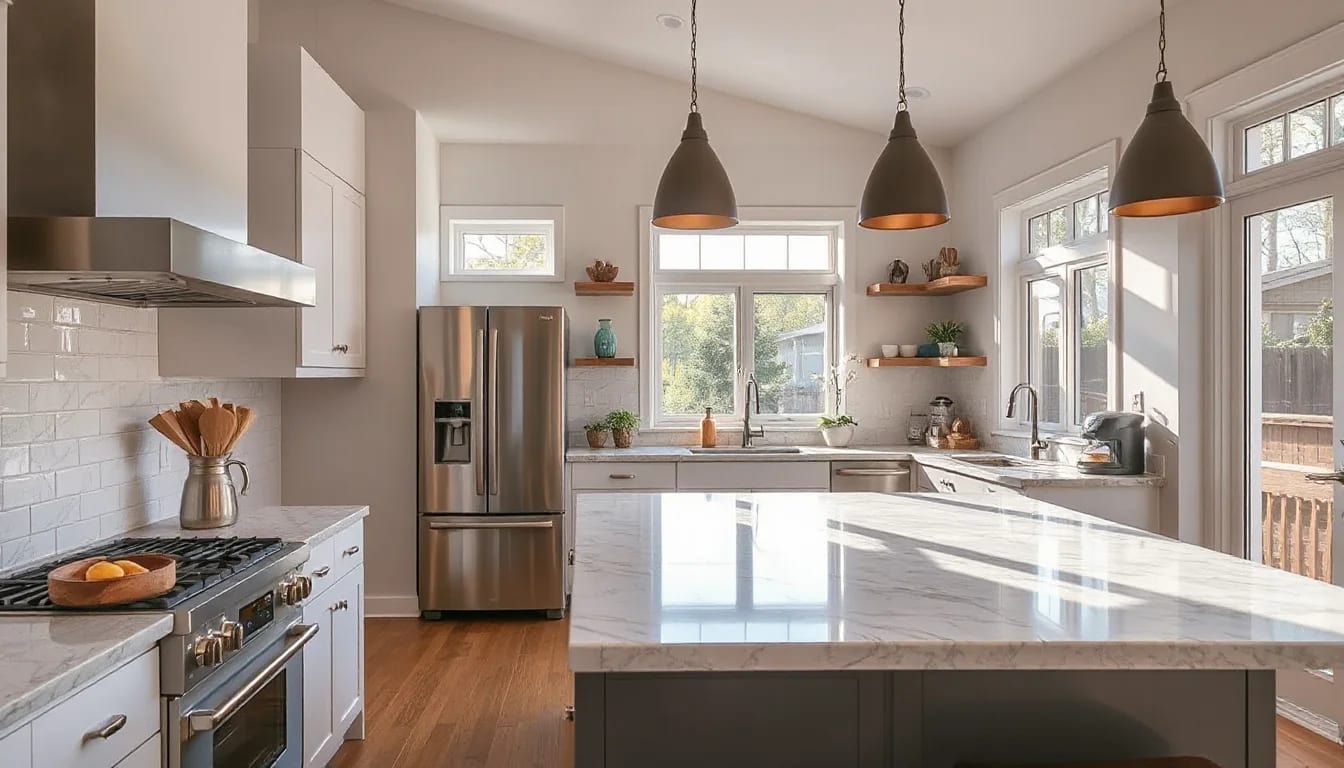
Thoughtful upgrades can make a Central Area home more comfortable to use every day while sharpening its presentation for future buyers. The strongest projects are not always the most elaborate: durable finishes, better lighting, efficient storage, and well-maintained outdoor areas often create the clearest impact. This guide helps homeowners prioritize improvements with both daily enjoyment and resale awareness in mind.
Start With the Way the Home Lives
Before choosing tile, paint, or appliances, take a practical walk through the property. Notice where routines feel awkward: an entry without a landing spot for keys and bags, a kitchen with limited prep space, a dark hallway, a bathroom with poor ventilation, or outdoor areas that need more usable shade and seating. Improvements that solve real friction points tend to feel valuable long after the work is complete.
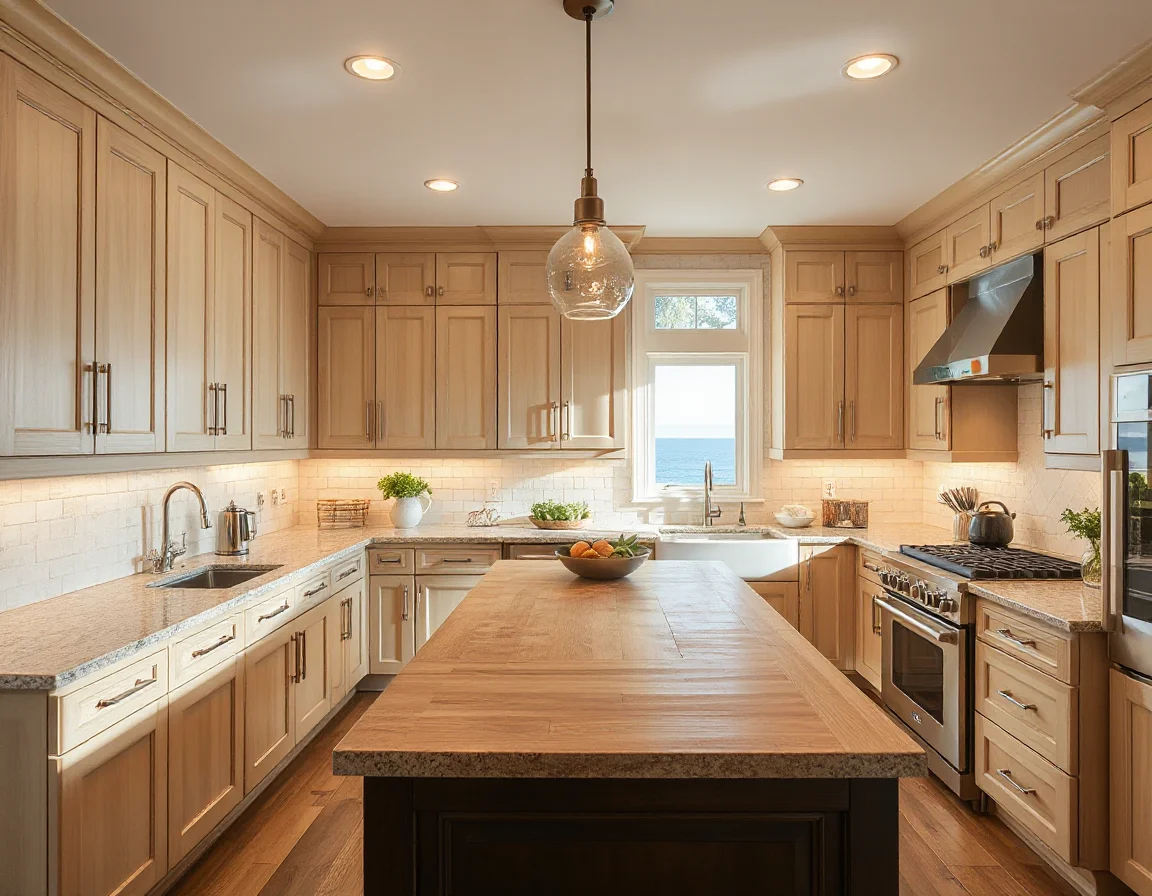
In the Central Area, a successful update usually supports an easy, polished rhythm rather than chasing a short-lived design trend. Consider how rooms connect, how daylight moves through the home, and which surfaces receive the most daily use. A refreshed layout does not necessarily mean moving walls; it may be as straightforward as replacing a bulky peninsula, widening a doorway where appropriate, or choosing furnishings that allow circulation to remain open.
Begin with condition before decoration. Addressing roof maintenance, drainage, windows, HVAC performance, electrical concerns, and moisture management protects the home and gives every cosmetic choice a stronger foundation. Keep invoices, warranty information, permits, and service records organized. Clear documentation can be useful when discussing the property’s care and improvements at resale.
A home that feels bright, dry, well-maintained, and easy to navigate often makes a more lasting impression than one with highly personal finishes but deferred maintenance.
For interior finishes, aim for consistency without making every room identical. Neutral wall colors, quality hardware, and cohesive lighting temperatures can create a calm visual flow. Reserve bolder personality for elements that can be changed with relatively little effort, such as accent paint, artwork, or removable furnishings. This approach leaves room for individual style while helping the architecture and natural light do the work.
Kitchen and Bath Updates With Staying Power
Kitchens and bathrooms often receive close attention because they are high-use spaces with many visible details. The goal is not to create a showpiece at any cost; it is to make these rooms clean, durable, functional, and visually connected to the rest of the home. A measured renovation can often produce a more useful result than an overly complicated one.
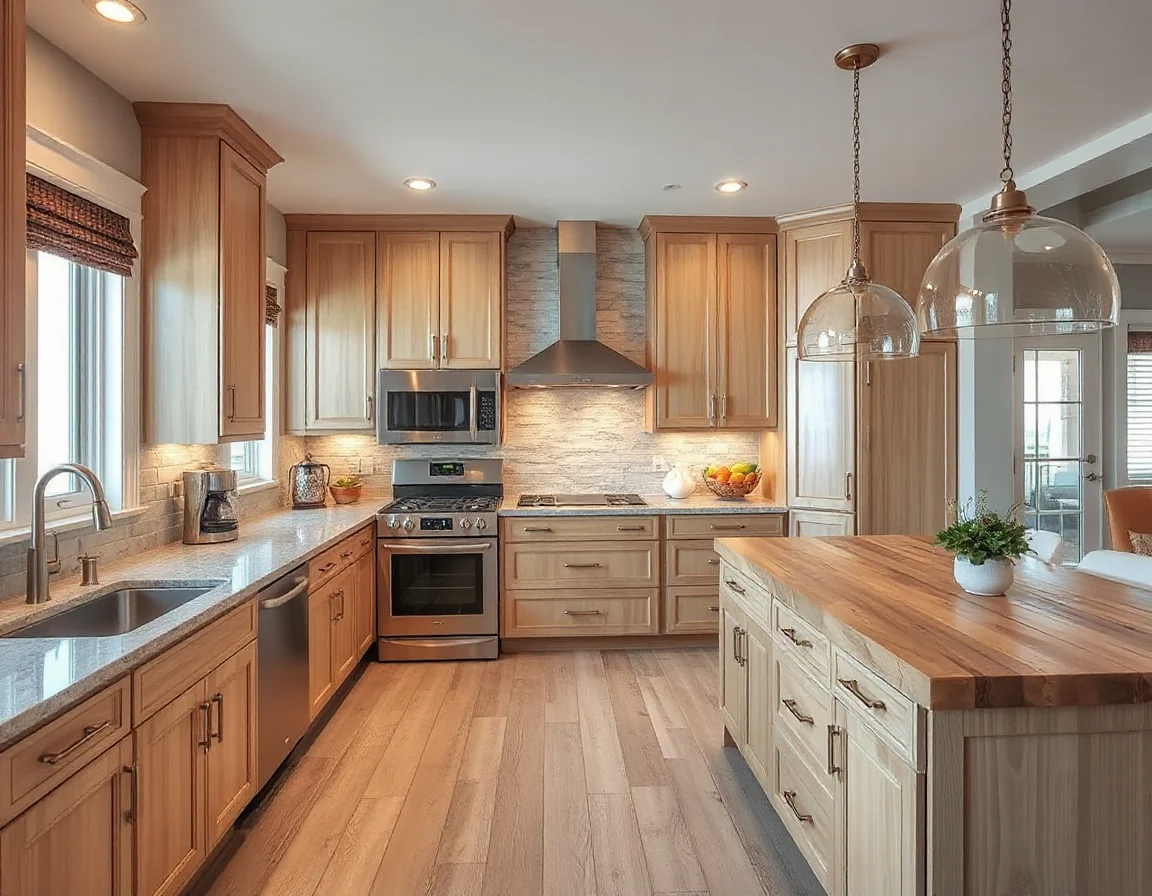
In a kitchen, evaluate storage, countertop condition, task lighting, appliance placement, and ventilation. Deep drawers, pullout organizers, soft-close hardware, and a dedicated spot for small appliances can make the room more efficient without requiring a large footprint. Durable counters, easy-care backsplash materials, and cabinet finishes that suit the home’s overall architecture are sensible choices. If a full renovation is not in the plan, new hardware, updated lighting, a faucet replacement, and carefully refreshed cabinet fronts can still change the room’s character.
Bathrooms benefit from the same discipline. Good ventilation, water-resistant materials, reliable fixtures, adequate lighting at the mirror, and useful storage matter every day. Consider a layered lighting plan rather than relying on one overhead fixture. A vanity with practical drawers, a well-placed niche in a shower area, and a clear, uncluttered counter can make even a compact room feel more considered.
When selecting finishes, favor materials that are appropriate for a coastal climate and easy to maintain. Natural stone, porcelain tile, engineered surfaces, and quality metal fixtures can all work well when selected and installed thoughtfully. Confirm care requirements before making a final decision; a surface that looks appealing in a sample may not suit the maintenance level desired for the home.
For resale planning, spend first on function, condition, and craftsmanship. Design details should support those fundamentals rather than compete with them.
Smart-home features can also be helpful when they are simple and reliable. Programmable climate controls, leak detection, updated smoke and carbon monoxide alarms, and thoughtfully placed charging outlets offer practical benefits. Avoid creating a system that requires specialized knowledge to operate; straightforward controls and a concise instruction packet are more useful to future owners.
Extend Comfort to Outdoor Areas
Outdoor spaces are a meaningful part of the Central Area lifestyle, and their condition can shape the overall experience of a property. Start with essentials: inspect pathways, exterior lighting, railings, gates, irrigation, drainage, and landscape health. A neat, well-cared-for setting signals attention to detail before anyone steps inside.
Enhance usability with defined zones rather than excessive additions. A sheltered seating area, durable dining surface, landscape lighting, and an orderly equipment area can make the exterior feel more intentional. Choose plantings and materials suited to South Florida’s heat, sun, wind, and seasonal rain. Professional advice may be worthwhile for drainage, mature trees, pool equipment, or larger hardscape work.
Exterior paint and entry details deserve attention as well. Clean lines, maintained trim, updated house numbers where permitted, and a front door in good condition provide a welcoming first impression. If the property has a pool or patio, prioritize surface condition, safe equipment operation, lighting, and comfortable circulation around the space. These are practical upgrades that support both appearance and everyday use.
Match the Project to Your Timing and Budget
A useful upgrade plan begins with an honest timeline. If a sale may be considered soon, focus on repairs, cleaning, paint, lighting, landscaping, and targeted updates that improve presentation without launching a lengthy construction project. If the home will be enjoyed for several more years, it can make sense to invest in improvements that solve daily needs, provided the scale of work remains appropriate for the property and local market.
Obtain detailed estimates, understand permit requirements, and leave room in the budget for unexpected conditions. For substantial renovations, consult qualified contractors and relevant professionals early. The least visible parts of a project—waterproofing, wiring, drainage, structural work, and installation quality—often have the greatest influence on long-term comfort and maintenance.
Finally, view every improvement through two lenses: Will this make the home work better now? and Will the next owner understand its value? When the answer is yes to both, the project is likely headed in a productive direction. A well-maintained Central Area home with thoughtful, cohesive updates can feel immediately comfortable while presenting a clear story of care, quality, and readiness.
