

Villa Cay pricing is best understood as a conversation between available inventory, waterfront characteristics, condition, and timing—not a single number on a listing sheet. Buyers can use these signals to compare value with more confidence, while sellers can use them to position a property thoughtfully from the first day on the market. The most useful strategy is to watch what is available, what has changed, and how each home’s features affect its competitive set.
Reading the Villa Cay Inventory Picture
Inventory is the starting point for nearly every real estate decision in Villa Cay. When only a limited number of properties are offered for sale, each new listing can attract considerable attention, especially when it combines a water-oriented setting, outdoor living space, a boat dock, updated systems, or a layout that supports the way owners use the home today. When more choices are available, buyers have a broader set of reference points and sellers need a sharper understanding of what makes their property distinct.

It helps to look beyond the total listing count. A home on a protected canal is not interchangeable with a home offering a different water orientation, dock arrangement, lot configuration, or route to open water. Likewise, a recently renovated residence may draw comparison with newer construction, while a property with original finishes may appeal to buyers who value the opportunity to plan improvements. Grouping every listing into one average can hide these meaningful distinctions.
For buyers, the practical question is not simply, “How many homes are for sale?” It is, “How many available homes actually meet my priorities?” A short list of genuine matches can make preparation important: confirm financing or liquidity documentation early, understand ownership and club-related considerations where applicable, and be ready to evaluate a property on its specific merits. For sellers, the same narrow pool can be an opportunity—but only if the price, presentation, and showing plan acknowledge the alternatives a buyer can see on the same day.
A listing that appears unique at first glance may have close competition once buyers compare water access, condition, outdoor space, and ownership costs side by side.
Inventory also has a time dimension. New listings, price adjustments, accepted contracts, and withdrawn properties can change the competitive landscape quickly. A residence that entered the market when there were few similar options may need a fresh review if several comparable properties arrive later. Conversely, a well-positioned home can stand out when competing inventory is absorbed or removed. Monitoring these changes is more valuable than reacting to a single week’s activity.
Pricing Signals That Matter More Than an Asking Price
Asking prices are useful signals, but they are not proof of value. They represent a seller’s opening position and are often shaped by recent comparable sales, replacement considerations, improvements, waterfront features, and current competition. The more revealing indicators are how long comparable homes remain available, whether prices have been adjusted, how quickly new listings receive interest, and where closed sales ultimately land relative to their original and final asking prices.
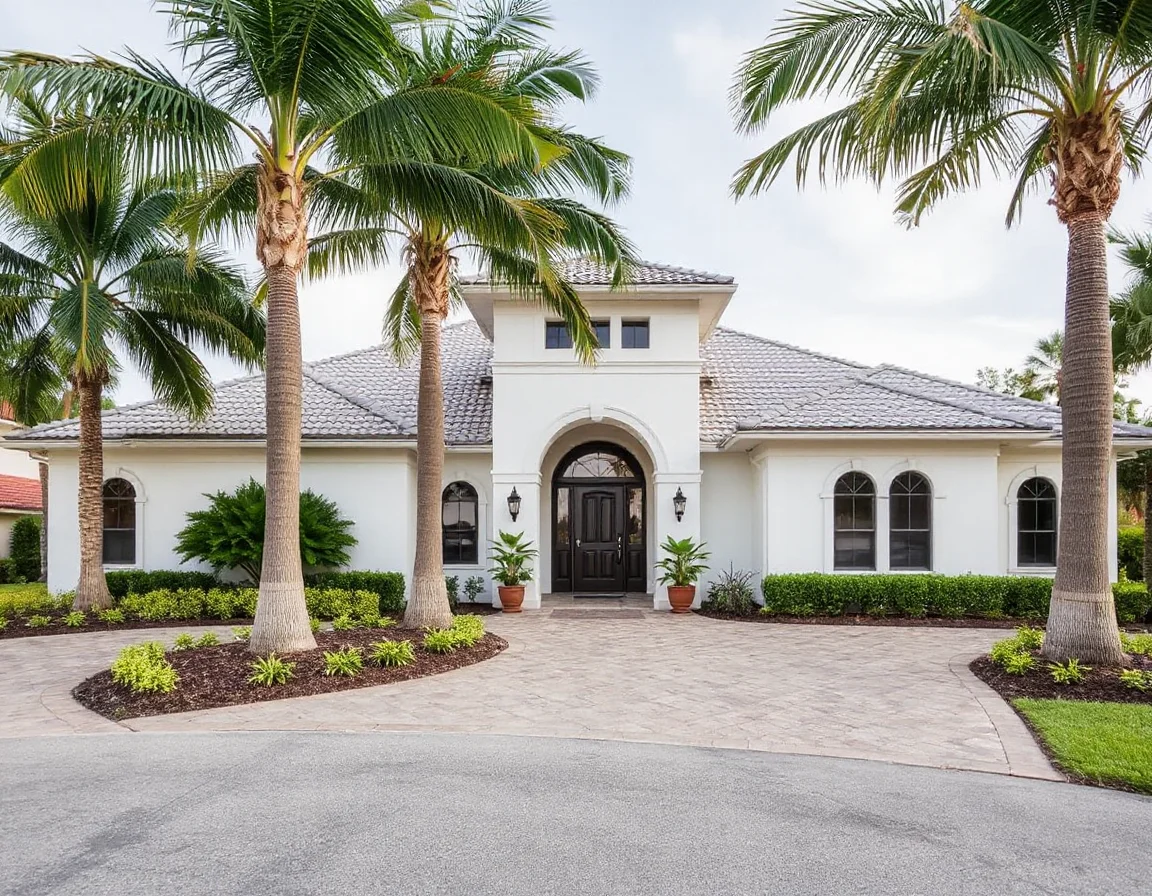
In Villa Cay, the details behind the price deserve close attention. Lot position, water frontage, dock capacity, bridge clearance, exposure, outdoor improvements, roof age, windows and doors, mechanical systems, interior updates, and landscaping can all influence how buyers compare one property with another. Even two homes with similar bedroom counts and square footage may belong in different pricing conversations when these features differ substantially.
Condition is especially important because buyers often weigh the cost, time, and coordination required for future work. A home that is move-in ready may command a different response than one needing updates, even when both have desirable locations. That does not mean every improvement produces a dollar-for-dollar return. It means sellers should identify the features that reduce uncertainty for a buyer, while buyers should separate cosmetic preferences from larger capital items that may affect their total investment.
The strongest pricing analysis compares a property with recently closed homes and active alternatives, then adjusts for the specific features buyers can see and evaluate today.
Days on market can also be informative, provided it is interpreted carefully. A longer marketing period may reflect ambitious pricing, a property that appeals to a narrower set of preferences, seasonal timing, or changing competition. It does not automatically mean that a home lacks value. Similarly, a quick contract can signal strong alignment between price and perceived value, but the contract terms, contingencies, and final closing result still matter. The goal is to look for patterns rather than draw conclusions from one data point.
A Practical Approach for Buyers
Buyers can gain clarity by creating a comparison list before touring properties. Start with the essentials: desired water relationship, dock needs, lot size, interior condition, outdoor amenities, and renovation tolerance. Then note the factors that may change ownership costs or future planning, such as insurance considerations, maintenance needs, permitting questions, and the age of major systems. This approach makes it easier to distinguish a home that is truly well priced from one that only appears attractive because it has a lower initial asking price.
It is also useful to revisit the search after each showing. A property may reveal strengths that are not apparent online, including privacy created by landscaping, sunlight patterns, room proportions, storage, dock accessibility, or the condition of exterior improvements. Other items may deserve more investigation than listing photos suggest. Careful due diligence, inspections, and professional advice remain essential parts of evaluating any property, particularly in a coastal setting where water, weather, and maintenance all play a role.
When a home stands out, a prepared buyer can make a cleaner decision without rushing. Review comparable sales, active listings, and recent market movement; then consider terms alongside price. Closing timing, due-diligence periods, financing structure, included personal property, and repair requests can all influence the strength of an offer. A thoughtful offer speaks to the whole transaction, not just the number at the top of the page.
Positioning a Villa Cay Home for Sale
Sellers benefit from viewing their property through a buyer’s comparison process. Before coming to market, identify the home’s most defensible advantages and the points that may prompt questions. A clear record of upgrades, service history, permits, dock information, and major-system updates can make it easier for prospective buyers to understand the home’s condition. Professional photography and a well-organized listing description should focus on tangible features rather than broad claims.
Pricing is most effective when it reflects the current field of options, not only a memorable sale from another season or a nearby home with substantially different attributes. A price that is well supported can encourage early engagement and provide useful feedback quickly. If the market response is limited, sellers should review showing comments, new competition, online activity, and changes in broader market conditions before deciding whether a repositioning is warranted.
Presentation matters as well. Simple preparation—decluttering, addressing deferred maintenance, improving exterior lighting, maintaining landscaping, and making waterfront areas easy to view—can help buyers assess the property without distraction. The goal is not to make every home look the same. It is to make its best features easy to understand and its condition easy to evaluate.
Find out what your home may be worth
Keep Watching the Signals
Villa Cay inventory and pricing are most useful when viewed as an ongoing story rather than a snapshot. New choices affect leverage, recent closings refine expectations, and property-specific features determine whether a home belongs at the top, middle, or edge of its competitive range. Whether buying or selling, a disciplined review of active listings, pending activity, closed sales, and individual property details can turn market noise into a more informed next step.
