

Dolphin West offers a convenient starting point for exploring the dining, green spaces, and waterfront rhythms associated with Ocean Reef. Whether you are comparing condominium options or considering a property near the marina, it helps to look beyond the floor plan and understand how everyday access, membership rules, and seasonal activity can shape ownership.
A Closer Look at Everyday Life Around Dolphin West
Dolphin West is often part of the conversation for buyers exploring Ocean Reef real estate because location influences far more than the view from a balcony or terrace. The ability to move easily between a residence, shared amenities, dining destinations, waterfront facilities, and open-air gathering spaces can change the feel of an ordinary day. For prospective owners, the most useful approach is to consider how the property connects to the routines they value: a morning walk, an evening meal, time near the water, or simply the ease of arriving and departing by boat.
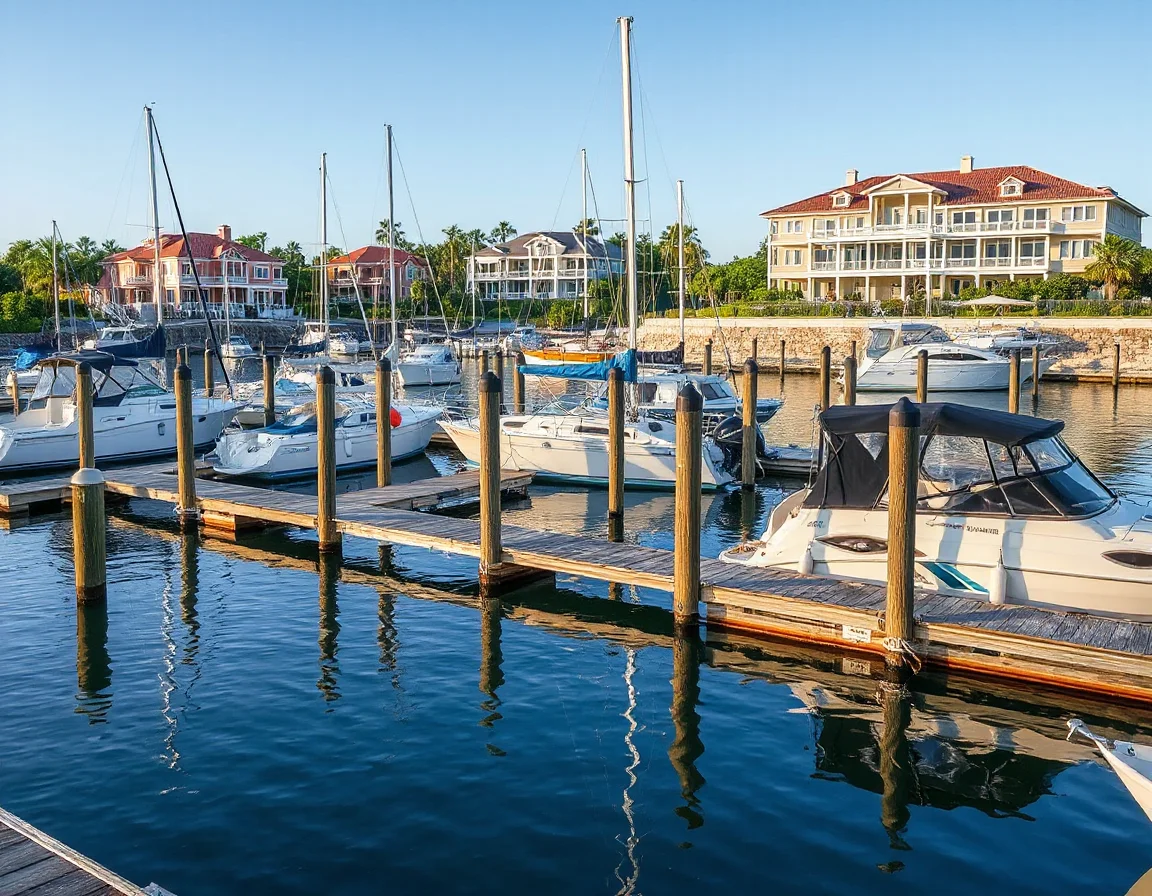
The setting is particularly compelling for those who appreciate a coastal community organized around water access. In the Upper Keys, the marina is not merely a scenic backdrop; it can be an important part of daily logistics, recreation planning, and property comparison. Slip availability, vessel dimensions, dock policies, storage options, service arrangements, and access procedures are all details worth reviewing early. They may vary by property, club affiliation, and current operating guidelines.
Dining adds another practical and enjoyable layer to the area. Ocean Reef’s dining offerings can range from casual daytime settings to more formal evening experiences, often with seasonal schedules and reservation considerations. Instead of treating nearby dining as a broad lifestyle promise, buyers should ask focused questions: Which venues are available through the applicable membership? What are the hours during different parts of the year? Is transportation needed, or is the route convenient by cart, bike, or on foot? These details help turn a general impression into a useful ownership picture.
When comparing residences near waterfront amenities, confirm the current access rules, fees, and reservation procedures directly with the relevant property association or club before making decisions based on convenience.
Green space also plays a meaningful role in the experience of a coastal enclave. Landscaped paths, outdoor seating areas, golf-course views, and carefully maintained common grounds can provide room to pause between appointments or enjoy the changing light of a South Florida afternoon. The appeal is often subtle: palms moving in the breeze, landscaped edges along a walkway, and the close relationship between built spaces and the water. These features can be especially important when evaluating a condominium, where common-area maintenance is part of the overall ownership equation.
Dining, Outdoor Spaces, and the Value of Proximity
Convenience is one of the most personal measures in real estate. Two properties may offer similar square footage or similar finishes, yet feel completely different because one places preferred amenities closer to the route of a normal day. In Dolphin West, it is useful to map the distances and modes of travel that matter to you. A short cart ride may be ideal for one owner, while another may prioritize a direct walking route, proximity to a docking area, or a quieter position away from active arrival zones.

For dining, proximity can mean flexibility. A nearby meal option may support an impromptu lunch between errands, while a broader choice of venues can make it easier to plan a hosted evening or a relaxed gathering with visiting friends. Availability, dress policies, reservations, and membership requirements should be verified, but the larger point remains: having dining options integrated into the surrounding environment can reduce the need for a long drive and keep more of the day centered close to home.
Outdoor spaces provide a similar kind of value. They are not always formal parks with programmed activities; sometimes the most-used places are walking routes, landscaped courtyards, waterfront overlooks, or open common areas that invite a few quiet minutes outside. In a humid subtropical climate, shade, breezes, path surfaces, and the orientation of a building can matter as much as distance. A property visit at different times of day can reveal how sunlight, wind, and activity patterns affect the spaces around it.
It is also wise to distinguish between what is visible and what is included. In planned coastal communities, a beautiful marina basin, a nearby recreation area, or a dining venue may be close to a residence without automatically being part of the property’s deeded amenities. Buyers should review condominium documents, association budgets, club materials, and current rules with qualified professionals. A clear understanding of assessments, maintenance responsibilities, insurance considerations, and access privileges creates a more accurate comparison between listings.
Marina Access: Questions That Clarify the Opportunity
Marina access can be a defining feature of Ocean Reef real estate, but it deserves a detailed conversation rather than a quick assumption. Some owners may be looking for a nearby place to keep a boat, while others may simply enjoy watching vessels come and go from the shoreline. Either way, the marina environment adds movement, light, and connection to the surrounding waters of the Florida Keys.
Before narrowing a search, prepare a list of practical questions. Ask whether slips are deeded, leased, assigned, waitlisted, or managed separately from the residence. Find out what vessel types and dimensions are accommodated, whether electrical and water services are available, and what hurricane-preparation procedures apply. If boating is central to your plans, speak with marine service providers and review navigational considerations for the route you expect to use. These steps can help align a home purchase with the realities of ownership on the water.
For condominium buyers, the marina conversation also intersects with building operations. A well-run association may have clear procedures for deliveries, contractor access, parking, exterior maintenance, and storm preparation. Those details are less glamorous than a waterfront sunset, but they can shape the ease of ownership over time. Reviewing meeting minutes and budgets, where available, can provide context about planned capital work and the stewardship of shared spaces.
The same careful approach applies to commercial properties in the broader Ocean Reef market. Location near active waterfront circulation, established services, and community amenities can affect how a space functions, but use restrictions and approvals should always be evaluated independently. A thoughtful review of permitted uses, operating requirements, and property-specific documentation is essential before moving forward.
Making a Well-Informed Dolphin West Search
The strongest property search starts with priorities that can be observed and verified. Consider the preferred view, building position, outdoor space, storage needs, parking, marina relationship, and the type of dining or recreational access that matters most. Then compare those priorities against each listing’s actual features and current governing documents. This process keeps the search grounded in facts while leaving room to appreciate the distinctive coastal atmosphere that draws people to the area.
Dolphin West can offer an appealing lens through which to explore Ocean Reef: residential comfort paired with access to landscaped surroundings, dining possibilities, and the visual energy of marina life. A knowledgeable local real estate professional can help identify relevant listings, explain property distinctions, and coordinate the due diligence needed to evaluate access and ownership costs. With the right questions in hand, buyers can focus on homes that support the way they want to use their time in the Florida Keys.
