

Buying your first home in Key Largo Anglers starts with more than finding a property you love. From financing and coastal insurance to inspections and closing documents, knowing what comes next can help you make decisions with confidence. Use this guide to prepare your budget, ask informed questions, and keep the transaction moving.
Start with the full cost of ownership
Before scheduling showings, decide what you want your purchase to accomplish and what you are comfortable spending each month. A lender’s maximum approval amount is a starting point, not necessarily your target. Consider the property’s location, layout, maintenance needs, and any association rules alongside the purchase price.
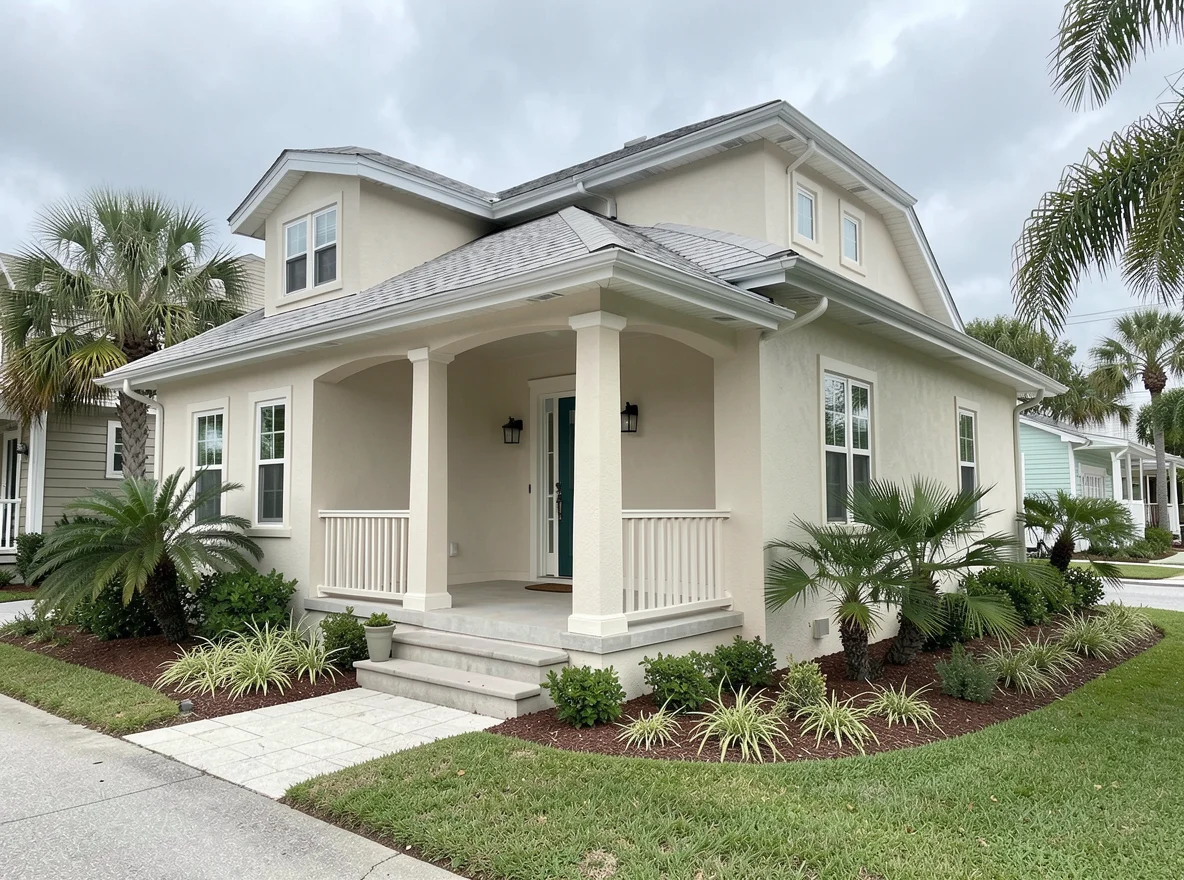
Build a budget that includes your down payment, loan costs, title and settlement charges, inspections, and funds for moving or initial repairs. Your ongoing costs may include property taxes, homeowners insurance, flood insurance, association assessments, utilities, and routine upkeep. Ask for current estimates rather than assuming the seller’s costs will become yours.
Insurance deserves attention early in a coastal purchase. Coverage, deductibles, availability, and premiums depend on the property and insurer. Request quotes for the specific home, ask whether wind and flood coverage are included or separate, and confirm any lender requirements. An insurance professional can explain what each policy covers and where gaps may remain.
A comfortable monthly payment depends on more than principal and interest. Get property-specific insurance and association estimates before deciding what you can afford.
It also helps to keep a reserve after closing. A roof repair, equipment replacement, or change in insurance costs can affect your budget even when a home initially appears well maintained. Your lender and financial adviser can help you weigh a larger down payment against the value of keeping cash available.
Arrange financing before you make an offer
Speak with lenders about preapproval and the documentation they need, such as income records, asset statements, and information about existing debts. Compare more than the advertised interest rate: ask about loan type, points, lender fees, down payment requirements, and whether the rate is locked. A preapproval is not a final loan commitment; the lender will still review the property and verify your information.
Ask whether the lender has experience financing the type of property you are considering. Condominiums, for example, can require a review of the association and its finances as well as the buyer’s qualifications. If you plan to buy without a mortgage, confirm how you will document available funds and allow time to arrange the transfer.
Explore how to choose a lender
Once you know your budget, review available listings with your priorities in mind. A property’s photographs can introduce its features, but an in-person visit helps you assess its condition, surroundings, and practical details. Ask which items convey with the sale and whether there are community or association requirements to investigate.
Compare properties and prepare an offer
As you narrow your choices, look beyond asking price. Your agent can help you examine relevant comparable sales, the condition of the property, and the terms that may matter to the seller. Because each transaction is different, avoid assuming that one pricing or negotiation strategy will work for every listing.
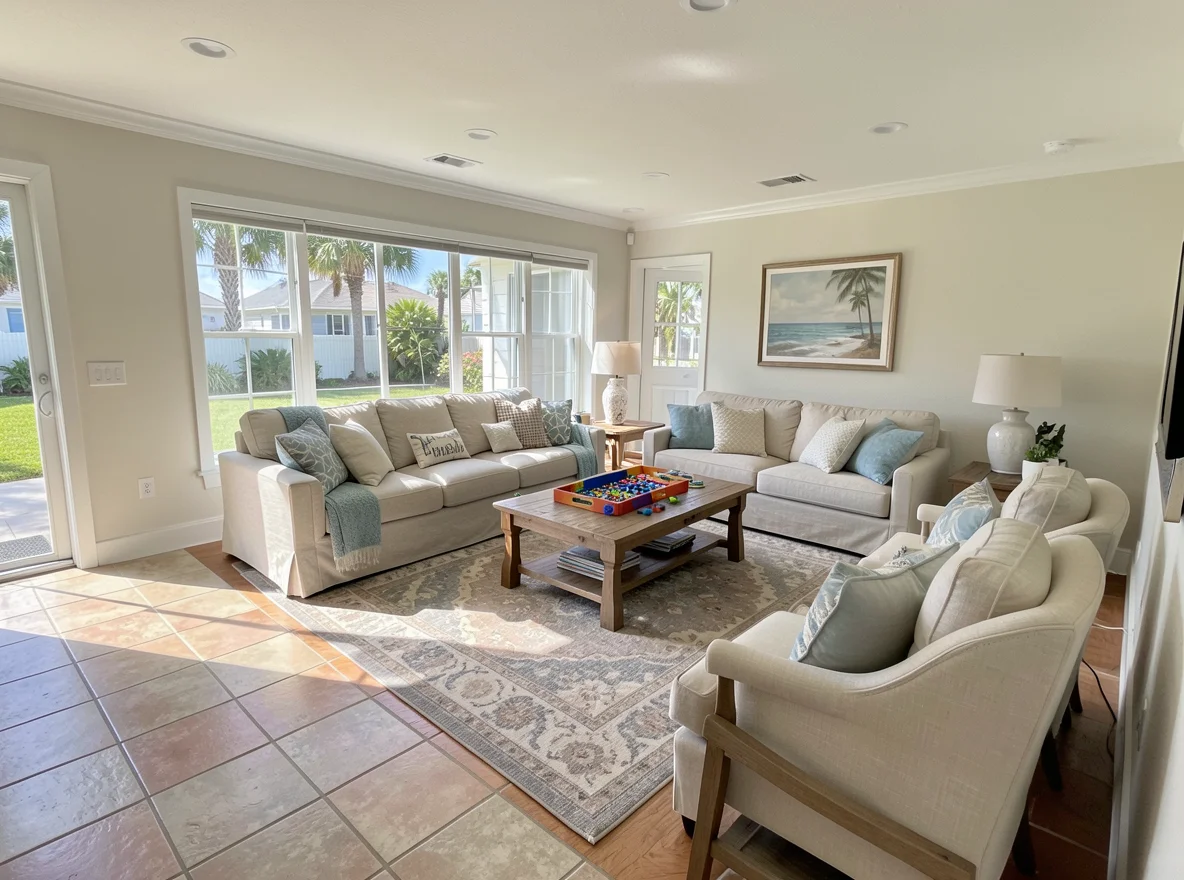
An offer typically addresses the price, deposit, proposed closing date, and applicable contingencies. Financing, appraisal, and inspection provisions can affect your options if a problem arises, but the rights and deadlines depend on the contract you sign. Review the terms with your agent and, when appropriate, a Florida real estate attorney before committing.
If the property is governed by an association, request the relevant documents and review them within any applicable contractual or statutory period. Look at the budget, reserves, assessments, insurance, restrictions, and approval process. For a condominium, ask about building condition reports and planned work where available. Do not assume access to club amenities or membership is included with ownership; verify eligibility, costs, and application requirements separately.
Your contract determines important deadlines. Record the inspection, financing, deposit, and association-review dates as soon as the agreement is signed.
Once an offer is accepted, send the deposit as directed in the contract and confirm that it has been received. Keep your lender informed and provide requested documents promptly. Your agent can coordinate the moving parts, but you should understand which decisions and deadlines require your attention.
Inspect the home and investigate the details
Schedule a qualified home inspector as soon as practical within the agreed inspection period. A general inspection can help identify concerns involving the roof, electrical system, plumbing, cooling equipment, structure, and other accessible components. Depending on the property and the initial findings, you may also want a specialist to assess a particular system or condition.
In a coastal setting, discuss potential moisture intrusion, corrosion, storm-related features, and drainage with your inspector. Ask your insurance provider whether it needs a wind mitigation or other inspection for a quote. If a property has a dock or other waterfront improvement, investigate its condition, permits, maintenance responsibilities, and any applicable use restrictions rather than relying on listing descriptions alone.
Read the reports carefully and distinguish routine maintenance from issues that warrant further evaluation. If you seek repairs, a credit, or another change, discuss the request and timing with your agent. The seller’s response and your available options will depend on the contract; do not assume every concern must be repaired or that a deadline can be extended automatically.
Move from approval to closing
While inspections are underway, your lender may order an appraisal and continue underwriting. An appraisal estimates value for the lender’s purposes; it is not a substitute for a home inspection. Avoid making major financial changes or opening new credit without first discussing them with your lender, since changes can affect final approval.
The title and closing professionals will review ownership records, prepare settlement documents, and coordinate the transfer. Ask about title insurance, any liens or restrictions identified in the title work, and the amount you will need to bring to closing. Review your closing disclosure and settlement figures carefully, and ask questions about unfamiliar charges or differences from earlier estimates.
Arrange a final walk-through according to your contract to check the property’s condition, agreed repairs, and included items. Before sending funds, independently verify wiring instructions using a trusted phone number for the closing company; do not rely solely on an email that changes payment details. Bring the identification and other documents requested by your closing professional.
Take the next step with a clear plan
First-time buying becomes more manageable when you know who to call and what to check at each stage. Start with a realistic budget, build a team that can answer property-specific questions, and give yourself time to review both the home and the paperwork. Rick Haney has helped clients navigate real estate in the Ocean Reef community since 2008 and can help you explore the local process.
