
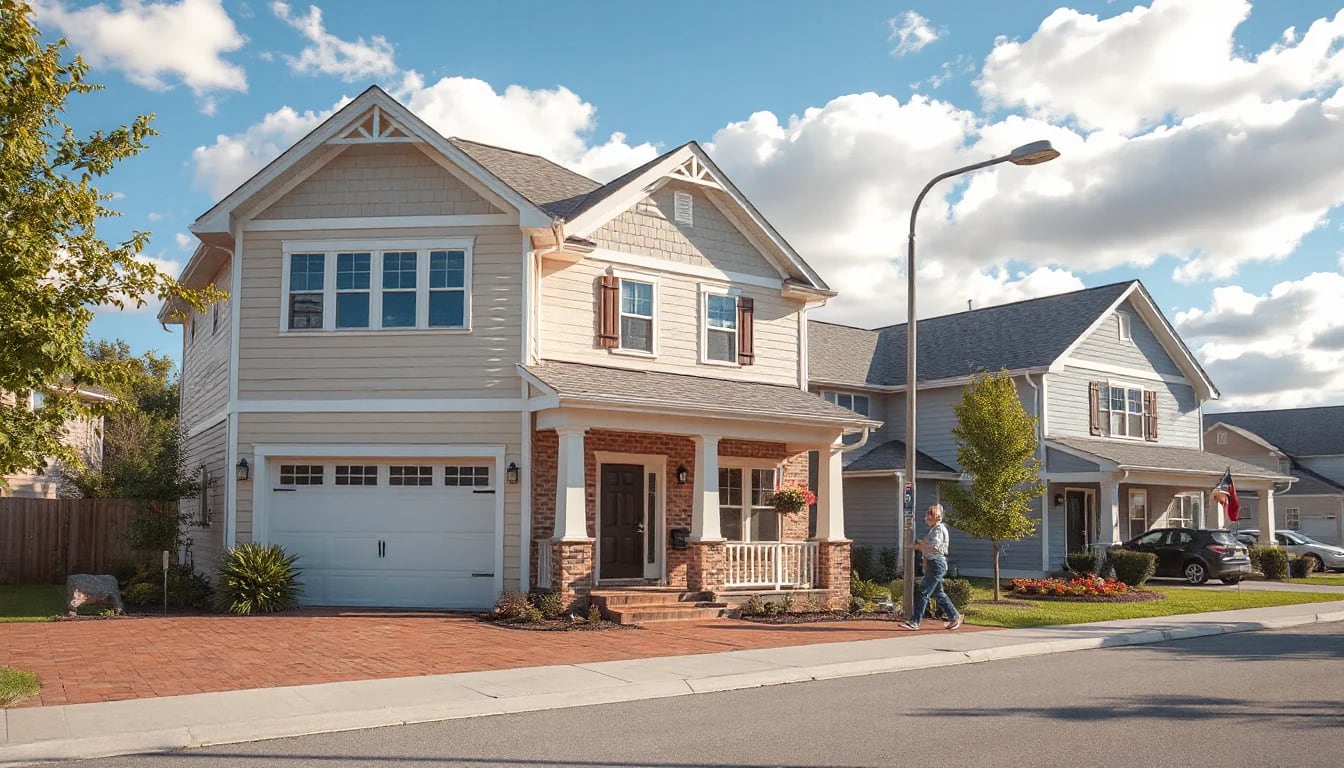
Commercial real estate ROI is shaped by more than a purchase price or an attractive facade. Durable building systems, flexible space, lease quality, accessibility, and realistic operating assumptions can all influence income potential and future resale appeal. A careful feature-by-feature review helps buyers evaluate what may support performance over time—and what deserves a closer look before closing.
Look Beyond the Purchase Price
A strong commercial property decision starts with how the asset works day after day. The asking price matters, but long-term buyer ROI is more closely connected to income reliability, operating costs, tenant demand, maintenance requirements, and the property’s ability to remain useful as market conditions change. Whether evaluating an office suite, retail space, mixed-use building, warehouse, or waterfront commercial opportunity, buyers benefit from examining both the visible features and the systems behind the walls.
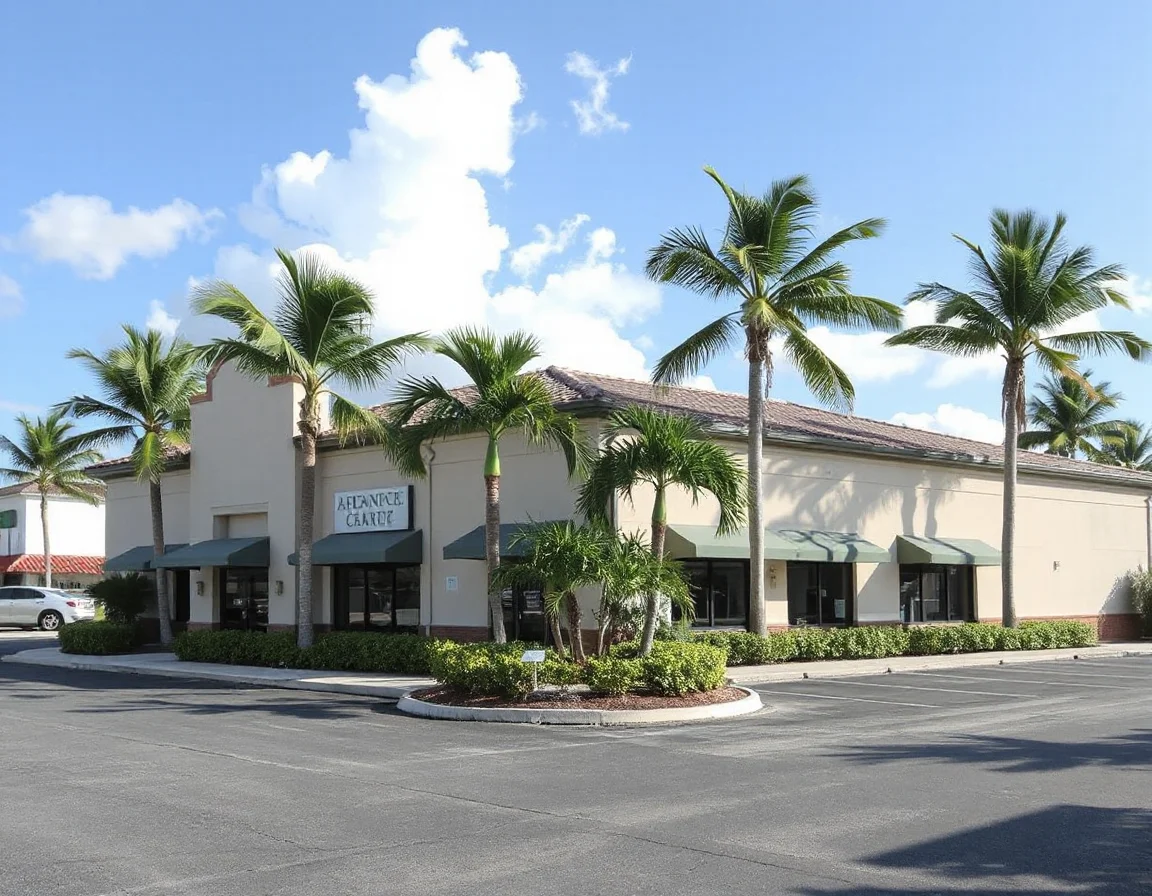
One of the most meaningful indicators is the relationship between the building’s condition and its projected capital needs. A newer roof, updated HVAC equipment, storm-ready openings, electrical capacity suited to current uses, and documented maintenance records can reduce the likelihood of immediate major expenses. These items do not eliminate future costs, but they can make cash-flow planning more predictable. Buyers should ask for service histories, warranties, permits, inspection reports, and utility information rather than relying on appearances alone.
Location should also be evaluated through measurable factors. Visibility, access points, parking configuration, loading access, roadway connections, nearby complementary uses, and local zoning all affect how a space can be occupied and marketed. In coastal areas such as Key Largo, Florida, site elevation, drainage, insurance considerations, and resilience planning may be just as important as frontage. The best fit is not always the most prominent building; it is the one whose physical layout and permitted uses align with a realistic business or leasing strategy.
A property with a lower entry price can become more expensive than a higher-priced alternative when deferred maintenance, insurance costs, or limited usable space are left out of the initial analysis.
Before making an offer, it is helpful to separate one-time acquisition expenses from recurring ownership costs. Property taxes, insurance, association fees where applicable, maintenance, management, reserves, utilities, landscaping, and professional services all belong in the operating picture. A thoughtful pro forma should include conservative assumptions and room for unexpected repairs instead of treating current income as guaranteed future performance.
Features That Support Flexible Income Opportunities
Flexibility is often a valuable commercial feature because it can widen the pool of potential occupants over the life of the property. Open floor plates, practical ceiling heights, multiple entrances, adaptable utility connections, storage areas, loading zones, and clear circulation can make a building easier to reconfigure when a lease ends or a business plan changes. A specialized layout may work exceptionally well for a specific use, but buyers should understand the cost and permitting path required to adapt it later.

Parking and access deserve their own review. Adequate, clearly configured parking can support everyday usability, while convenient entrances and delivery access may be especially important for service, medical, retail, storage, and hospitality-related operations. Confirm whether parking is exclusive, shared, leased, assigned, or subject to restrictions. Also verify accessible routes, restroom configurations, ramps, door clearances, and other features that affect usability and regulatory compliance. These details can influence renovation budgets as well as an occupant’s willingness to lease or purchase.
Technology infrastructure has become another practical differentiator. Reliable internet availability, secure equipment space, sufficient electrical service, backup power options, and modern security systems can support a wider range of operations. In a property with several suites, separately metered utilities may improve clarity around expenses and simplify lease administration. Buyers should verify what is actually installed, who maintains it, and whether upgrades are feasible—not simply assume that visible equipment meets present-day needs.
Outdoor areas may also add functional value when they are thoughtfully designed and permitted. A shaded entry, usable courtyard, covered loading area, dock access, or well-maintained landscaping can strengthen a property’s presentation and day-to-day utility. In waterfront and coastal markets, exterior materials and site improvements should be evaluated for their durability in sun, salt air, heavy rain, and wind conditions. The right improvements can reduce upkeep demands and preserve curb appeal over time.
Flexible square footage, clear access, and documented utility capacity can matter long after a current tenant or owner has moved on—especially when the next use has different operational needs.
Lease Strength and Expense Clarity Matter
For income-producing property, the lease is often as important as the building itself. A buyer reviewing an occupied asset should understand the remaining lease term, renewal options, rent escalations, security deposits, maintenance responsibilities, assignment provisions, exclusivity clauses, and any tenant improvement obligations. The goal is not simply to see that a space is occupied; it is to understand how dependable the income may be and what costs remain with ownership.
Expense structure can materially change net operating income. In a triple-net arrangement, an occupant may reimburse certain operating costs, while a gross lease may leave more expenses with the owner. Neither structure is inherently better in every circumstance. What matters is whether lease language, historical expense records, and projected increases have been reviewed together. Buyers should compare actual operating statements with bank records, invoices, tax bills, insurance declarations, and vendor contracts wherever possible.
Vacancy planning is equally important. Even a fully occupied building can experience turnover, and a prudent analysis includes a reserve for leasing commissions, repairs between occupants, marketing, and downtime. Properties with efficient layouts, well-maintained common areas, and broad permitted uses may be easier to reposition, but no feature should be treated as a guarantee of future occupancy or income. Local market research, active inventory, and comparable lease activity can help place projections in context.
Due Diligence Turns Features Into a Strategy
A disciplined due-diligence period is where promising features become verified facts. Buyers may consider inspections of structure, roof, HVAC, plumbing, electrical systems, environmental conditions, drainage, and life-safety components. Depending on the property, surveys, zoning confirmation, flood information, title review, insurance quotes, association documents, permits, and financial records can all be essential. Professional guidance from qualified inspectors, attorneys, accountants, lenders, and insurance advisors can help identify questions that a casual walkthrough may miss.
It is also wise to think about the exit strategy before purchasing. Could the property appeal to a future owner-user, an investor seeking leased income, or an operator looking for a particular configuration? Is there room to improve the site, refresh the building, revise leases, or reduce operating inefficiencies? Properties that offer multiple practical paths may provide more options if market conditions change, although every strategy should be evaluated against local regulations and realistic costs.
Commercial ROI is rarely the result of one headline feature. It is built through a combination of sound physical condition, useful design, disciplined expense management, durable lease terms, and a clear understanding of the market. Taking time to investigate each of these areas can help buyers make decisions based on the property’s actual operating potential rather than assumptions. For buyers considering a commercial opportunity, a focused review of the numbers and the building can be one of the most valuable investments made before closing.
