

Condominium ownership at Ocean Reef can offer a streamlined way to enjoy coastal living, marina access, and shared amenities without taking on the full maintenance load of a detached property. The key is understanding how each community differs in layout, dockage availability, fees, rental rules, and proximity to club features. A careful review of those details can help buyers compare options with more confidence and fewer surprises during due diligence.
Why Ocean Reef condominiums attract steady interest
For buyers looking at Ocean Reef real estate, condominiums often stand out because they combine convenience with access. Instead of managing a larger homesite, exterior upkeep, and every individual system alone, owners in many condo communities benefit from a structure where certain maintenance responsibilities are shared through an association. That can make it easier to focus on how a property lives day to day: the floor plan, storage, outdoor space, water views, parking, and how quickly you can reach the marina, golf, dining, fitness, or other club amenities.
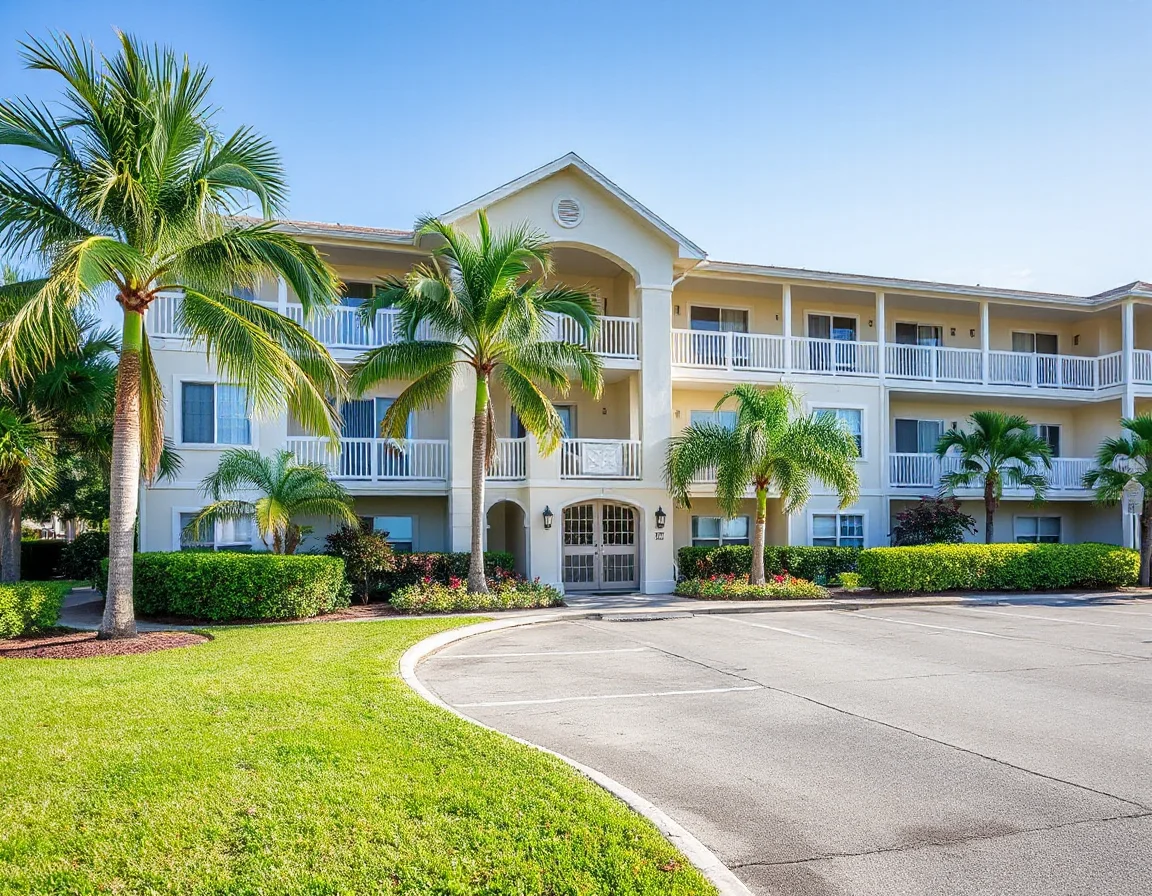
Another reason condos remain a frequent point of comparison is variety. Some residences emphasize lock-and-leave simplicity, while others offer larger footprints, multiple outdoor areas, and close ties to boating. A buyer may find one building with strong water orientation, another with golf-course exposure, and another with central access to community gathering spaces. Those differences matter as much as square footage, because they shape how the property fits your priorities over time.
At the same time, not every condominium ownership structure is identical. Monthly or quarterly association fees, reserve funding, insurance allocations, renovation restrictions, pet policies, and dock arrangements can differ from one community to the next. Looking beyond listing photos and into the governing documents is often where the best decision-making happens.
The most useful condo comparison is rarely price alone. Buyers usually get clearer answers by lining up association fees, included services, storage, parking, and any boating-related access side by side.
How amenities shape the ownership experience
Amenities can be a major part of the value equation, but it helps to define that term carefully. In a condominium setting, amenities may include elevators, covered parking, pools, landscaped common areas, private balconies, bike or gear storage, and building services that reduce routine maintenance demands. In Ocean Reef, buyers also tend to look closely at the practical convenience of getting around the community, whether that means easy access to club features, time savings between the residence and the marina, or a location that supports a more walkable daily rhythm within the property’s immediate surroundings.
Shared amenities can also influence future budgeting. A community with more extensive common elements may provide a more service-oriented ownership experience, but those features can affect operating costs and reserves. That does not make one model better than another; it simply means the right fit depends on what you value. Some buyers prefer fewer shared components and lower recurring costs, while others place more weight on convenience, maintenance support, and building infrastructure.
Interior amenities deserve equal attention. Updated kitchens, resilient flooring, hurricane-impact openings, efficient mechanical systems, and well-planned storage can matter just as much as a postcard view. A residence that is easy to maintain and built for coastal conditions often carries lasting appeal, especially when paired with outdoor space that extends the living area.
Explore condominium communities
Marina access: one of the biggest differentiators
For buyers with boating in mind, marina access can quickly become the deciding factor. That conversation goes beyond whether a property is “near the water.” The important questions are more specific: Is dockage assigned, leased separately, wait-listed, or located through a nearby marina arrangement? What vessel sizes can be accommodated? Are there usage limitations, association procedures, or additional fees? How convenient is the route from the residence to the slip, and what support services are nearby?

These details matter because two condominium options can appear similar on paper but offer very different boating logistics. One may provide a more direct ownership path to dockage, while another may require a separate strategy for securing slip access. Buyers comparing properties in Ocean Reef often benefit from evaluating boating use patterns honestly: frequent departures, overnight cruising, seasonal usage, storage needs, and tolerance for coordination if docking is not automatically bundled with the residence.
Even for non-boaters, proximity to the marina can still influence value and lifestyle. Waterfront circulation, visual appeal, and access to marine-oriented activity often make those locations especially compelling. But convenience should always be measured practically. A beautiful water-facing unit is not the same thing as a property with functional dock access, and understanding that difference early can save time.
If boating is high on your priority list, ask for the dockage picture in writing during the discovery stage. Slip terms, transferability, and wait-list structure can be just as important as the residence itself.
It is also wise to consider weather exposure and building condition in marina-adjacent areas. Salt air, wind, and moisture can affect maintenance schedules, exterior materials, and association planning. Reviewing recent capital improvements and reserve studies helps clarify how a building is preparing for those realities.
Ownership considerations buyers should review closely
Before making an offer, buyers should look carefully at the condominium documents and financials. This includes the declaration, bylaws, current budget, reserve information, rules and regulations, and any planned assessments. In many cases, the most important ownership questions are not dramatic; they are operational. What maintenance is covered? Are windows, roofs, balconies, and structural items owner responsibilities or association responsibilities? Are there approval requirements for remodeling? What are the leasing rules, if flexibility matters to you?
Insurance is another area that deserves attention. Coastal condominium ownership involves layers of coverage that may include master association policies, individual unit coverage, flood considerations where applicable, and responsibility boundaries between common elements and interiors. A buyer who understands those lines early is in a better position to budget accurately and avoid confusion after closing.
Marketability matters too. When evaluating a condo, think ahead to resale by considering floor plan utility, natural light, condition, view orientation, parking convenience, and the overall reputation of the building’s upkeep. Residences that pair a strong location with practical livability often hold broad appeal over time, especially when the association demonstrates consistent maintenance and sound governance.
Comparing communities with a clearer framework
One effective way to compare Ocean Reef condominiums is to create a short scoring list. Instead of relying only on first impressions, rank each option by boating access, recurring costs, storage, outdoor space, renovation condition, privacy, parking, and proximity to the amenities you expect to use most. That process often reveals whether a residence is attractive because of presentation alone or because it genuinely supports your ownership goals.
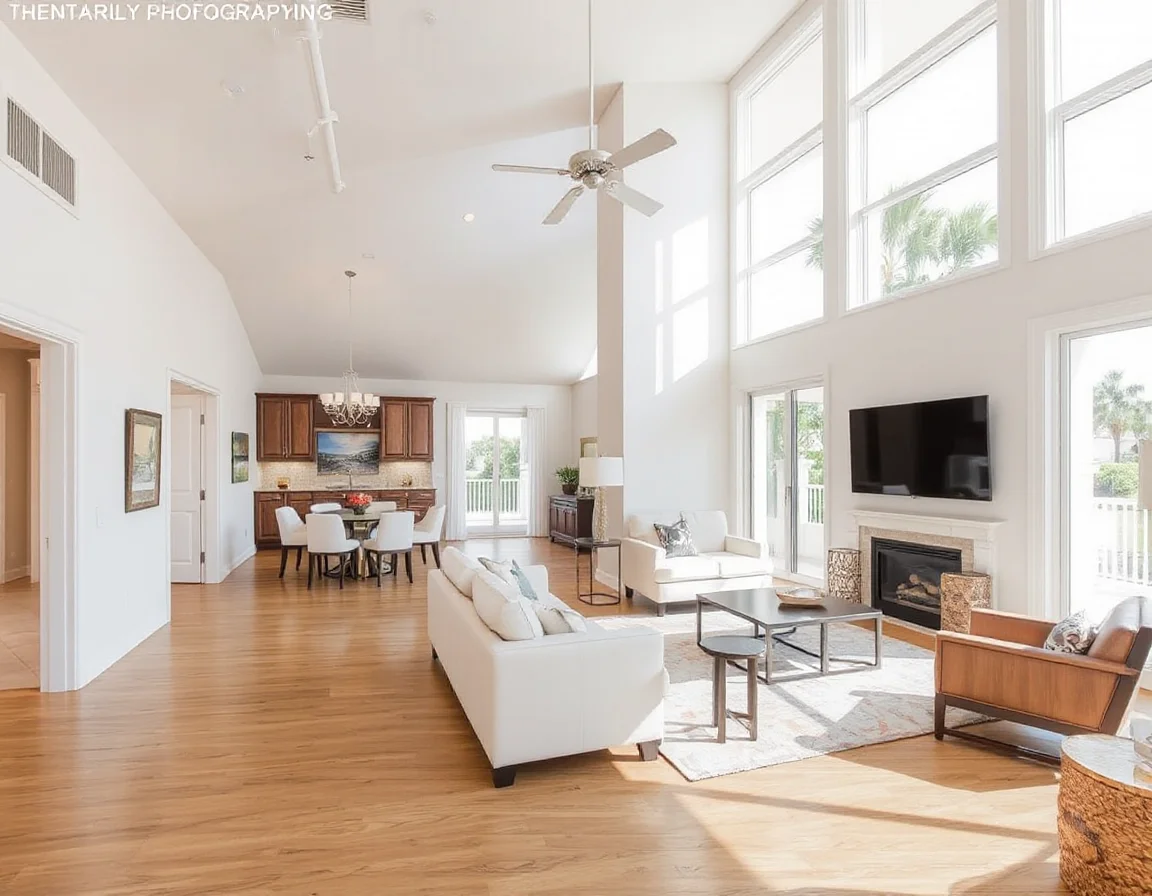
It also helps to separate must-haves from nice-to-haves. A buyer may initially focus on a dramatic view, only to realize that storage, slip access, elevator service, or a more efficient layout has greater everyday value. Another buyer may discover that paying somewhat higher association fees makes sense if those fees support services and maintenance that reduce future hassle. There is no universal formula, but there is usually a best-fit property once the priorities are clear.
Condominium ownership in Ocean Reef can be especially appealing when the selection process stays grounded in facts: what is included, how the building is run, what the boating setup really looks like, and how the residence functions beyond a weekend visit. With that framework, buyers can evaluate opportunities more precisely and move forward with a stronger understanding of both benefits and responsibilities.
In the end, the right condo is not simply the one with the boldest marketing photos. It is the one where amenities, marina access, financial structure, and daily usability line up in a way that supports your plans for the property now and in the years ahead.
