

Evaluating condo rental potential at Ocean Reef takes more than comparing list prices and published rents. A strong ROI review looks at ownership costs, rental rules, seasonal demand, unit condition, and the features that influence booking consistency. When buyers study the full picture up front, they can make cleaner decisions about income potential, personal use, and long-term value.
Start with the Income Story, Not Just the Purchase Price
Many buyers begin with a simple question: “What could this condo rent for?” That is the right starting point, but it should never be the only one. Rental potential is really a combination of nightly, weekly, or seasonal rate strength, how often the property is likely to be occupied, and how much revenue remains after recurring costs. At Ocean Reef, the details matter because two condos with similar square footage can perform very differently depending on view, layout, updates, access to amenities, and building-specific ownership expenses.

A useful first step is building a realistic revenue range rather than relying on a best-case estimate. Look at comparable condos by bedroom count, sleeping configuration, condition, outdoor space, and proximity to popular on-property destinations. If one unit has a refreshed kitchen, modern baths, and a more open plan, it may support stronger pricing than a dated unit in the same general location. Water views, marina access, or a particularly convenient position within the community can also affect demand.
It also helps to separate gross rental income from net operating performance. Gross income sounds impressive, but owners keep only what remains after association fees, insurance, taxes, maintenance, furnishings, utilities where applicable, and management or marketing costs. A condo with slightly lower gross rent but lower carrying costs can sometimes deliver a better return than a unit with a higher headline rent.
The most dependable projections usually come from a conservative occupancy estimate paired with current expense figures, not from peak-season pricing alone.
Finally, think about use patterns over a full year. A property that rents well during high-demand periods may still leave gaps in the calendar. Those gaps are not necessarily a problem if personal use is part of the ownership plan, but they do affect ROI. The key is matching the condo’s likely rental schedule to your financial goals rather than assuming every available week will book at top rate.
Understand the Expense Side Before You Calculate ROI
Buyers sometimes underestimate how much condo ownership costs shape rental performance. At Ocean Reef, association dues and maintenance expectations can vary from one building or neighborhood to another, so expense review should happen early. Monthly or quarterly fees may cover a substantial portion of exterior maintenance and common-area upkeep, which can simplify ownership, but they still need to be included in your annual return model.
Insurance is another important line item, especially in coastal markets. Beyond the primary policy, buyers should confirm whether the building’s master coverage affects what they need to insure individually. Property taxes, reserve contributions, appliance replacement, repainting, flooring updates, and wear from turnover all belong in a serious ownership analysis. If the unit will be rented regularly, furnishing quality and refresh cycles become part of the equation too.
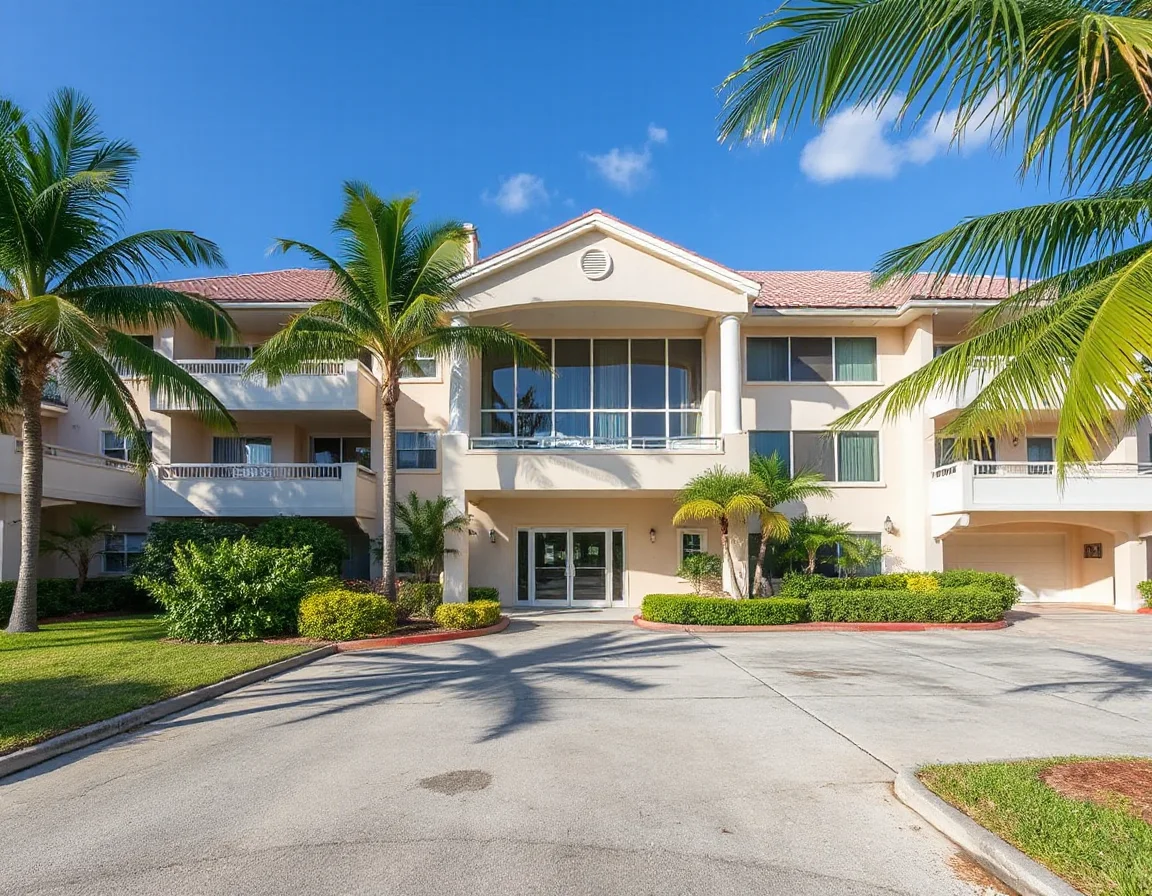
Another frequent oversight is turnover cost. Cleaning, linen service, light maintenance between stays, small repairs, and periodic replacements may seem modest individually, but together they can materially reduce net returns. For that reason, ROI should be modeled using a reserve for routine wear and operational friction, not just fixed annual bills.
If financing is involved, it is smart to calculate both property performance and owner cash flow. Property performance tells you how the condo operates on its own before debt. Owner cash flow shows what happens after mortgage payments. Looking at both numbers gives a clearer picture of whether the investment meets your expectations.
A condo can be a strong rental candidate and still miss your target return if dues, insurance, and turnover costs are not fully modeled in advance.
Check Rental Rules, Booking Friction, and Unit Appeal
Not every condo operates under the same rental framework, and those rules can significantly influence income potential. Before moving forward, confirm minimum rental periods, lease approval procedures, any seasonal restrictions, and whether there are limits that affect how often the property may be rented. Rules do not automatically reduce value, but they absolutely shape the property’s income profile and the type of renter schedule the condo can support.
Ease of use matters too. A condo that is simple to access, easy to maintain, and well configured for short stays can outperform a larger or more expensive unit that requires more explanation, more prep, or more frequent upkeep. Buyers should pay attention to practical details such as parking, storage, laundry, outdoor living space, and the overall feel of the interiors. Clean, updated, durable finishes usually support better photos, fewer maintenance calls, and stronger guest satisfaction.
Photos and presentation are part of the ROI conversation as well. In rental settings, visual appeal often translates directly into inquiry volume. Units with bright interiors, cohesive furnishings, modern kitchens, and comfortable outdoor areas tend to attract attention faster than properties that feel dated or overly personalized. That does not mean every condo must be fully renovated, but it does mean condition and presentation have revenue consequences.
It is also worth reviewing the competitive set from a renter’s perspective. If several nearby condos offer similar layouts, ask what makes the subject property stand out. A better view, more polished finishes, easier walkability to amenities, or a stronger outdoor setup can justify better pricing and improve occupancy consistency.
Use Comparable Data to Build a More Realistic ROI Model
Reliable ROI analysis is part math, part local market judgment. Comparable sales tell you what buyers have been willing to pay for similar condos, while rental comparables help frame what the market may support on the income side. The strongest analysis blends both. A unit bought well but operated poorly may underperform. A premium condo purchased at a higher basis may still work if demand, condition, and booking strength are meaningfully better.

A practical model includes purchase price, closing costs, furnishing or update budget, annual carrying costs, estimated gross revenue, vacancy assumptions, management expenses if applicable, and a maintenance reserve. From there, you can calculate cap rate, cash-on-cash return, and a simple break-even point. Even if you are buying partly for personal enjoyment, running these numbers gives you a disciplined framework for comparison.
Just as important, use more than one scenario. Build a conservative case, a base case, and an optimistic case. If the condo still works under the conservative model, that is often a positive sign. If the deal only works with near-perfect occupancy and top-tier rates, the margin may be too thin.
Over time, appreciation, updates, and ownership stability may enhance the overall investment picture, but short-term enthusiasm should not replace careful underwriting. The goal is not to find a condo that merely looks rentable. The goal is to identify one that fits your expected use, carries manageable costs, and has a clear path to dependable performance within the current Ocean Reef market.
Final Thoughts on Evaluating Condo ROI at Ocean Reef
A smart rental-potential review balances revenue possibilities with cost discipline and real-world operating details. At Ocean Reef, buyers who compare building expenses, study rental rules, and evaluate condition with a critical eye are in a much better position to judge whether a condo is likely to meet their return goals. When the numbers are built on solid assumptions instead of best-case guesses, the buying decision becomes clearer, more strategic, and easier to hold with confidence over time.
