

Buying a condo in Ocean Reef can feel simpler once you break the process into clear, practical steps. This guide walks through how to compare buildings, review fees and rules, evaluate waterfront and golf-adjacent locations, and move from financing to closing with fewer surprises. If you want a more confident path to ownership, understanding the details early can save both time and negotiating leverage.
Start With the Condo Lifestyle and Your Budget
Purchasing a condominium is different from purchasing a standalone home, and that difference matters right from the beginning. In Ocean Reef, buyers are often comparing location inside the community, building style, views, access to amenities, maintenance responsibilities, and the overall rhythm of condo ownership. Before touring properties, it helps to define what matters most: proximity to the water, a lower-maintenance setup, updated interiors, elevator access, dock options where available, or a building with a more compact footprint and fewer units.
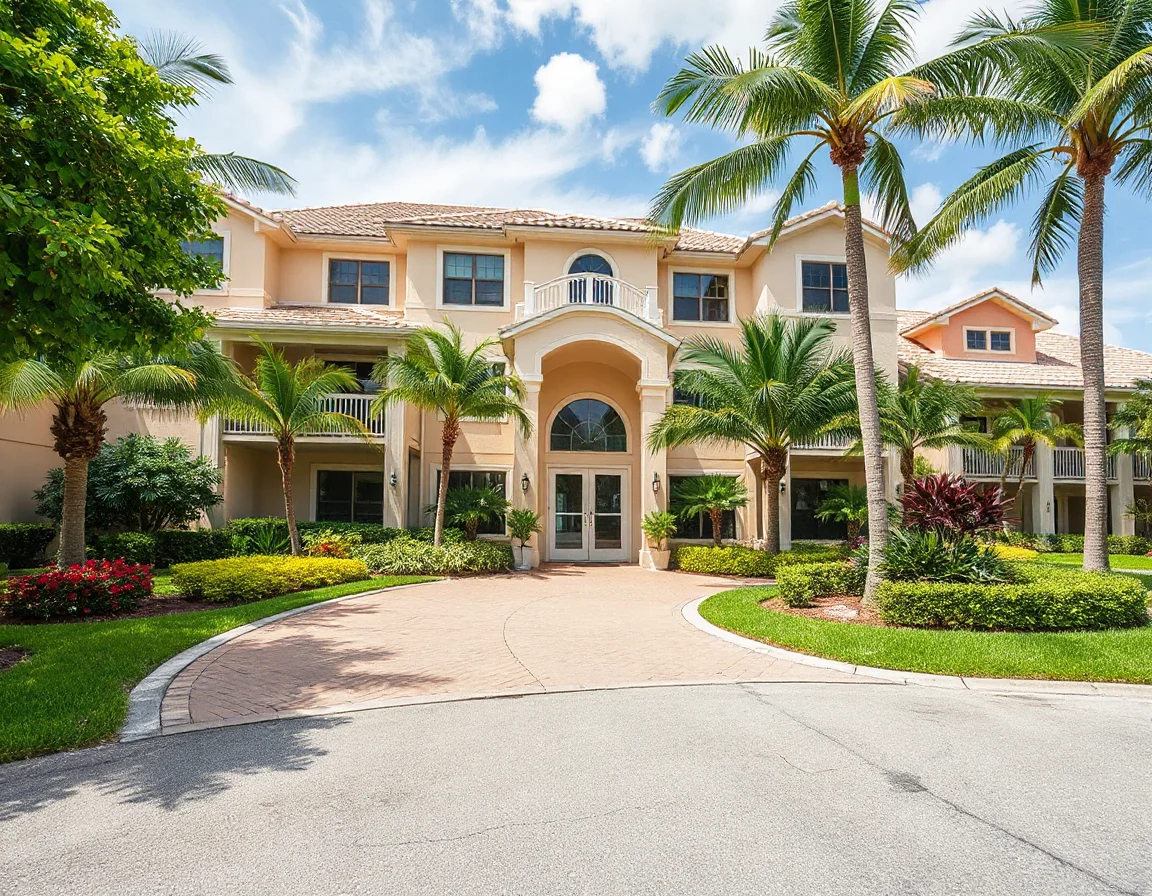
Budgeting should include more than the purchase price. Monthly condo fees, insurance considerations, reserves, parking or storage details, and any near-term special assessments should all be part of your real number. A condo that looks attractive on list price alone may tell a very different story once recurring costs are factored in. On the other hand, a building with stronger reserves and recent improvements may offer better long-term predictability, even if the monthly fee is higher.
That is why many first-time condo buyers benefit from creating two budgets: a target purchase range and a monthly comfort range. When both numbers are clear, it becomes easier to compare options objectively instead of reacting only to finishes or views. In a market with distinct enclaves and property types, that clarity can keep the search focused.
A condo’s value is tied to both the individual unit and the building behind it. Reviewing fees, reserves, and recent capital work early can help you avoid falling in love with a unit that no longer fits your full budget.
Learn How Buildings Differ From One Another
Not all condominium communities operate the same way, even within the same larger market. Some buildings emphasize lock-and-leave convenience, while others may offer larger layouts, different outdoor spaces, or easier access to marinas, golf, or central amenities. For a first-time buyer, this means the search is not only about square footage and finishes. It is also about understanding how the building functions day to day.
Important questions include: What do the association fees cover? Are there rental restrictions? Are pets permitted, and if so, are there any registration requirements? How are repairs to balconies, roofs, docks, or common areas handled? Are there ongoing projects planned for the property? These are routine due diligence items, and they can affect both usability and total ownership cost.
Reading association documents may not be the most exciting part of the process, but it is one of the most useful. Meeting minutes, budgets, rules, and reserve information can reveal whether a building has been proactive with maintenance or whether major expenses may still be ahead. Buyers who understand these details before making an offer are usually in a stronger position to compare properties on substance, not just appearance.
Explore condominium communities
Tour With an Eye for Both the Unit and the Setting
Once you begin viewing properties, it helps to evaluate each condo in two layers. The first is the unit itself: layout, natural light, kitchen and bath updates, storage, outdoor space, window placement, and whether the floor plan supports how you plan to use the home. The second is the setting around it: parking access, nearby walkways, water orientation, landscaping, noise patterns from nearby activity areas, and how close the unit sits to the places you expect to use regularly.

A well-staged interior can draw attention to finishes, but buyers should also notice less visible items such as HVAC age, window condition, signs of moisture, appliance updates, and whether the renovation quality feels consistent throughout the home. In coastal environments, these practical details matter just as much as design choices. If a unit has been updated recently, ask what work was completed and whether permits or association approvals were required.
During tours, take notes immediately after each showing. Condos can blend together quickly, especially when several have similar exterior architecture. Tracking features like view corridor, floor level, exposure, building condition, and fee structure can make your final comparison much easier. A simple ranking system often works better than relying on memory alone.
It is also smart to visit at more than one time of day if possible. Light changes, parking patterns, and ambient activity can all influence how a property feels. That does not mean judging a building by assumptions; it means observing objective conditions that affect everyday use.
The strongest condo choice is rarely about one standout feature alone. Layout, association health, monthly costs, and location inside the community usually work together to define long-term satisfaction.
Get Financing, Insurance, and Due Diligence Lined Up Early
For first-time buyers, pre-approval is a major advantage because it sets realistic boundaries before the search becomes competitive. Some condo purchases are cash, while others use financing, but in either case buyers should know their documentation requirements in advance. Condo lending may involve additional review of the association, so giving yourself extra time can reduce stress later in the transaction.
Insurance is another point worth addressing early. Depending on the building and how coverage is allocated between the association and the unit owner, your individual policy needs may differ from those of a single-family property. A clear conversation with your insurance provider can help you understand what is covered by the master policy and what protections you may want for interiors, personal property, and liability.
Then comes due diligence. This usually includes reviewing association documents, confirming rules and restrictions, checking financials, understanding any assessments, and scheduling inspections appropriate for the property. Even when a condo appears turnkey, inspections still matter. Systems inside the unit, signs of deferred maintenance, and moisture-related concerns can all affect ownership costs after closing.
Make an Offer Based on the Full Picture
When you are ready to make an offer, the goal is not simply to move fast. It is to move with context. Comparable sales, time on market, building condition, renovation quality, and association strength all play into a sound pricing strategy. Two units with similar square footage can justify different values based on view, level of updating, location within the property, or monthly carrying costs.

Offer terms matter as much as price. Inspection periods, financing timelines, document review windows, and closing dates can all shape how attractive an offer appears. For buyers, a thoughtful structure helps protect your interests while still presenting a clean path to closing. This is especially important if the building review process may affect lender timing or insurance decisions.
Negotiation should also account for any anticipated post-closing work. If a unit needs cosmetic updates, that may be manageable. If a building has major planned improvements, that belongs in your evaluation of the total cost. Looking at the transaction from both the inside-out and the building-down helps prevent expensive surprises after ownership begins.
For many buyers, the clearest path is to treat condo buying as both a home decision and a financial decision. That balance tends to produce better outcomes than focusing too heavily on either emotion or spreadsheets alone.
Closing With Confidence
The final step is making sure every document, deadline, and approval is aligned before closing day. Condo purchases involve multiple moving parts, but they become far more manageable when the process is handled in sequence: define priorities, understand the building, confirm the numbers, review the documents, and negotiate from a position of information.
In Ocean Reef, that approach is especially useful because condo options can vary meaningfully by location, setting, and ownership structure. Buyers who take time to understand those differences are better equipped to choose a property that fits both their present needs and their long-term plans. A clear process does not remove every question, but it does make each decision more informed—and that is often what turns a first condo purchase into a confident one.
